
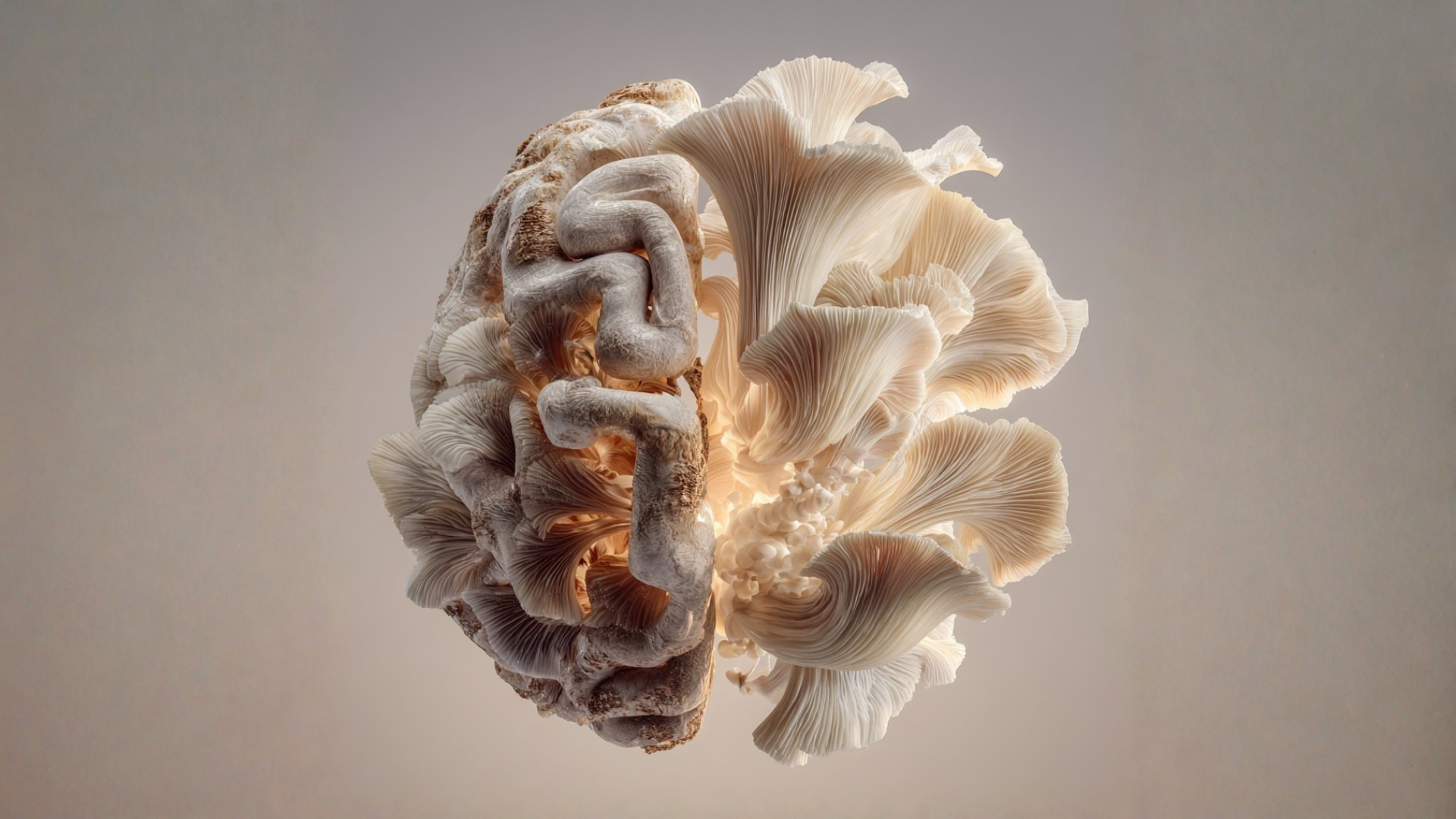
New findings in interventional psychiatry research suggest that psilocybin brain wave changes may offer a measurable window into how psychedelic therapies work and who they may help most. A recent study highlights how shifts in electrical brain activity are closely tied to the intensity of psychedelic experiences and may eventually guide personalized treatment strategies.
Psychedelic-assisted therapies have gained attention for their ability to produce rapid and sustained improvements in conditions like depression and PTSD. However, variability in patient response remains a major limitation. Understanding the biological mechanisms behind these treatments is now a central focus of the field.
Why Traditional Treatments Still Fall Short For Many Patients
Conventional antidepressants often require daily use and can take weeks to show benefits. For some patients, these medications may also reduce emotional responsiveness rather than restore it. This gap has driven interest in therapies that can produce more immediate and meaningful psychological shifts.
Psilocybin stands out because a single session, combined with psychological support, has shown the potential to produce lasting improvements. Yet until recently, researchers lacked precise tools to measure what is happening in the brain during these experiences.
How Psilocybin Brain Wave Changes Shift Brain Activity
Using electroencephalography, researchers observed that psilocybin significantly alters brain wave patterns. Specifically, it reduces slower rhythms such as theta and alpha waves while increasing faster beta and gamma activity.
These psilocybin brain wave changes indicate a transition from a resting state to a more active and engaged mode of processing. Instead of idling, the brain appears to enter a highly dynamic state associated with heightened awareness and complex internal experiences.
This shift may help explain why patients often report vivid imagery, emotional breakthroughs, and a sense of connectedness during psychedelic sessions.
Why Study Design Matters In Understanding Psychedelic Effects
The study used a randomized, double-blind, crossover design, allowing each participant to serve as their own control. Participants received both psilocybin and placebo in separate sessions, improving the reliability of the findings.
Researchers also measured brain activity before and during the drug’s peak effects. This approach provided a rare opportunity to compare baseline brain states with psychedelic responses in the same individuals.
Key Findings Link Brain Activity To Subjective Experience
One of the most striking results was the strong correlation between brain wave changes and subjective reports. Participants who showed larger increases in fast brain activity also reported more intense psychedelic experiences.
These experiences included feelings of unity, altered perception, and emotional openness. The data suggest that psilocybin brain wave changes are not random but closely tied to the psychological effects that may drive therapeutic outcomes.
Interpreting What These Results Mean For Treatment
The findings support the idea that psychedelic therapy works by disrupting rigid patterns of brain activity and promoting more flexible, adaptive processing.
By shifting the brain into a more dynamic state, psilocybin may allow patients to break out of entrenched thought patterns associated with depression and other disorders. This aligns with broader theories of increased neuroplasticity during psychedelic experiences.
The Mechanism Behind Psilocybin Brain Wave Changes
Psilocybin primarily acts on serotonin receptors, particularly the 5-HT2A receptor. This interaction appears to alter communication between brain regions, including networks involved in self-referential thinking.
The study also found increased connectivity within the default mode network, a system linked to introspection and identity. Changes in this network may contribute to the profound psychological shifts often reported during therapy.
What Makes This Study Different From Previous Research
A key innovation in this research is the focus on baseline brain activity as a predictor of response. The study found that individuals with certain pre-existing brain wave patterns were more likely to experience stronger psychedelic effects.
This suggests that psilocybin brain wave changes could eventually serve as biomarkers for treatment selection. Instead of a trial-and-error approach, clinicians may be able to identify patients who are most likely to benefit before treatment begins.
Clinical Implications For Personalized Psychedelic Therapy
If validated in clinical populations, these findings could transform how psychedelic therapies are delivered. EEG measurements are relatively accessible and non-invasive, making them a practical tool for clinical use.
Personalized treatment planning based on brain activity could improve outcomes, reduce unnecessary exposure, and increase the efficiency of resource-intensive therapies.
A Measured Look Toward The Future Of Psychedelic Care
While promising, the study was conducted in a small group of healthy participants. Larger studies in clinical populations are needed to confirm these findings and determine their real-world applicability.
Still, the ability to link psilocybin brain wave changes with both subjective experience and baseline brain function marks an important step forward. It moves the field closer to understanding not just whether these treatments work, but how and for whom they are most effective.
Citations
https://pubmed.ncbi.nlm.nih.gov/37717643/
https://www.nature.com/articles/s41591-022-01744-z
