
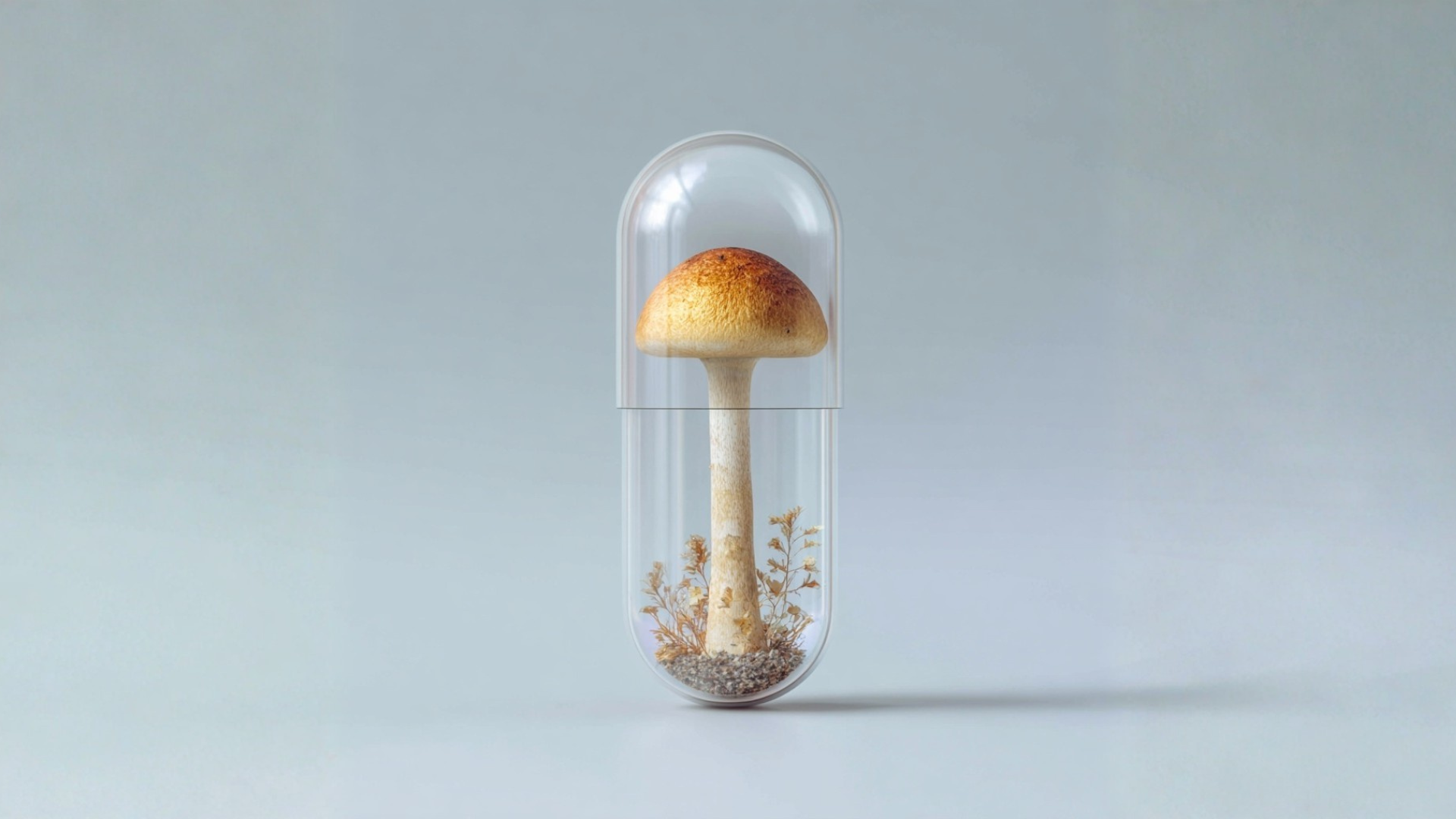
Within ongoing advances in interventional psychiatry, a new wave of interventional psychiatry research is raising important questions about psilocybin depression treatment effectiveness . Two major studies published in JAMA Psychiatry are reframing how clinicians and researchers interpret the antidepressant potential of psychedelic-assisted therapy.
A Critical Moment For Psilocybin Depression Treatment Effectiveness
Psilocybin has gained attention as a rapid-acting intervention for treatment-resistant depression. Early trials suggested substantial symptom reductions, often within days. These findings positioned psychedelic therapy as a possible breakthrough in mental health care.
However, a central methodological challenge has persisted. Because psilocybin produces noticeable psychological effects, participants often correctly guess whether they received the active drug. This phenomenon, known as functional unblinding, may amplify perceived benefits through expectancy effects.
The new studies directly confront this issue, offering a more nuanced view of psilocybin depression treatment effectiveness.
Why Traditional Comparisons May Be Misleading
In conventional randomized trials, placebo-controlled designs rely on participants remaining unaware of their treatment allocation. With psychedelics, this assumption frequently breaks down. Estimates suggest that up to 90% of participants can correctly identify when they receive psilocybin.
A recent meta-analysis attempted to address this limitation by comparing psychedelic-assisted therapy with open-label antidepressant trials, where patients also know what treatment they are receiving. Under these “equal unblinding” conditions, researchers found no meaningful difference in depression outcomes between psilocybin therapy and standard antidepressants.
This finding does not negate psilocybin’s therapeutic value. Instead, it suggests that earlier studies may have overestimated its superiority due to expectancy-driven effects.
Inside The EPISODE Trial Design
At the same time, a large randomized clinical trial known as EPISODE took a different approach. Researchers used a triple-blind design and incorporated active comparators, including low-dose psilocybin and nicotinamide, to better mask treatment allocation.
Participants received two dosing sessions combined with psychotherapy. Despite these efforts, most participants still correctly identified when they received a high dose of psilocybin.
The trial did not meet its primary endpoint, defined as a 50% reduction in depressive symptoms. Response rates were similar across groups. However, secondary outcomes told a more complex story, showing meaningful improvements in symptom scores, particularly in the high-dose group.
Interpreting Conflicting Results In Psilocybin Depression Treatment Effectiveness
Taken together, the findings present a mixed but informative picture. On one hand, the meta-analysis suggests that psilocybin may not outperform traditional antidepressants when expectancy effects are controlled. On the other hand, the EPISODE trial provides evidence of clinically relevant improvements, especially in the short term.
This divergence highlights a broader challenge in psychiatric research. Measuring treatment effects in conditions like depression is inherently complex, as both biological and psychological factors contribute to outcomes.
In the case of psilocybin, expectancy may not be a confounding variable alone. It could be an integral component of the therapeutic process.
Mechanisms Beyond Expectancy Effects
Psilocybin’s biological mechanisms remain an active area of investigation. The compound primarily acts on serotonin 2A receptors, leading to changes in brain network connectivity and increased neural flexibility.
These effects are thought to support cognitive and emotional restructuring. Patients often report shifts in perspective, reduced rumination, and increased psychological openness following treatment.
At the same time, the therapeutic context, including preparation and integration sessions, plays a critical role. The interplay between pharmacology and psychological experience may explain why expectancy and biology are difficult to disentangle.
What Makes These Findings Different From Earlier Research
Unlike earlier trials that emphasized strong positive outcomes, these studies focus on methodological rigor. By addressing blinding limitations directly, they provide a more realistic estimate of psilocybin depression treatment effectiveness.
Importantly, the results do not dismiss psychedelic therapy. Instead, they position it as one option among several, rather than a universal solution.
This shift reflects a maturing field that is moving beyond initial enthusiasm toward evidence-based integration.
Clinical Implications For Psychedelic Therapy
For clinicians, these findings suggest that psilocybin therapy may offer benefits comparable to traditional antidepressants, but not necessarily superior outcomes.
Patient selection will likely become a key factor. Some individuals may respond better to psychedelic-assisted therapy, while others may benefit more from conventional treatments.
Safety considerations also remain relevant. The EPISODE trial reported adverse events, including transient increases in suicidal ideation during dosing sessions. These risks underscore the importance of controlled clinical environments.
A More Measured Path Forward
The evolving evidence suggests that psilocybin is neither a cure-all nor a failed intervention. Instead, it represents a promising but complex addition to the psychiatric toolkit.
Future research will need to refine trial designs, explore long-term outcomes, and better understand how expectancy interacts with biological effects.
As the field advances, psilocybin depression treatment effectiveness will likely be defined not by dramatic breakthroughs alone, but by careful integration into personalized mental health care strategies.
Citations
- Psychedelic Therapy vs Antidepressants for the Treatment of Depression Under Equal Unblinding Conditions
https://jamanetwork.com/journals/jamapsychiatry/fullarticle/10.1001/jamapsychiatry.2025.4809 - Efficacy and Safety of Psilocybin in Treatment-Resistant Major Depression: The EPISODE Randomized Clinical Trial
https://jamanetwork.com/journals/jamapsychiatry/fullarticle/2846478
