
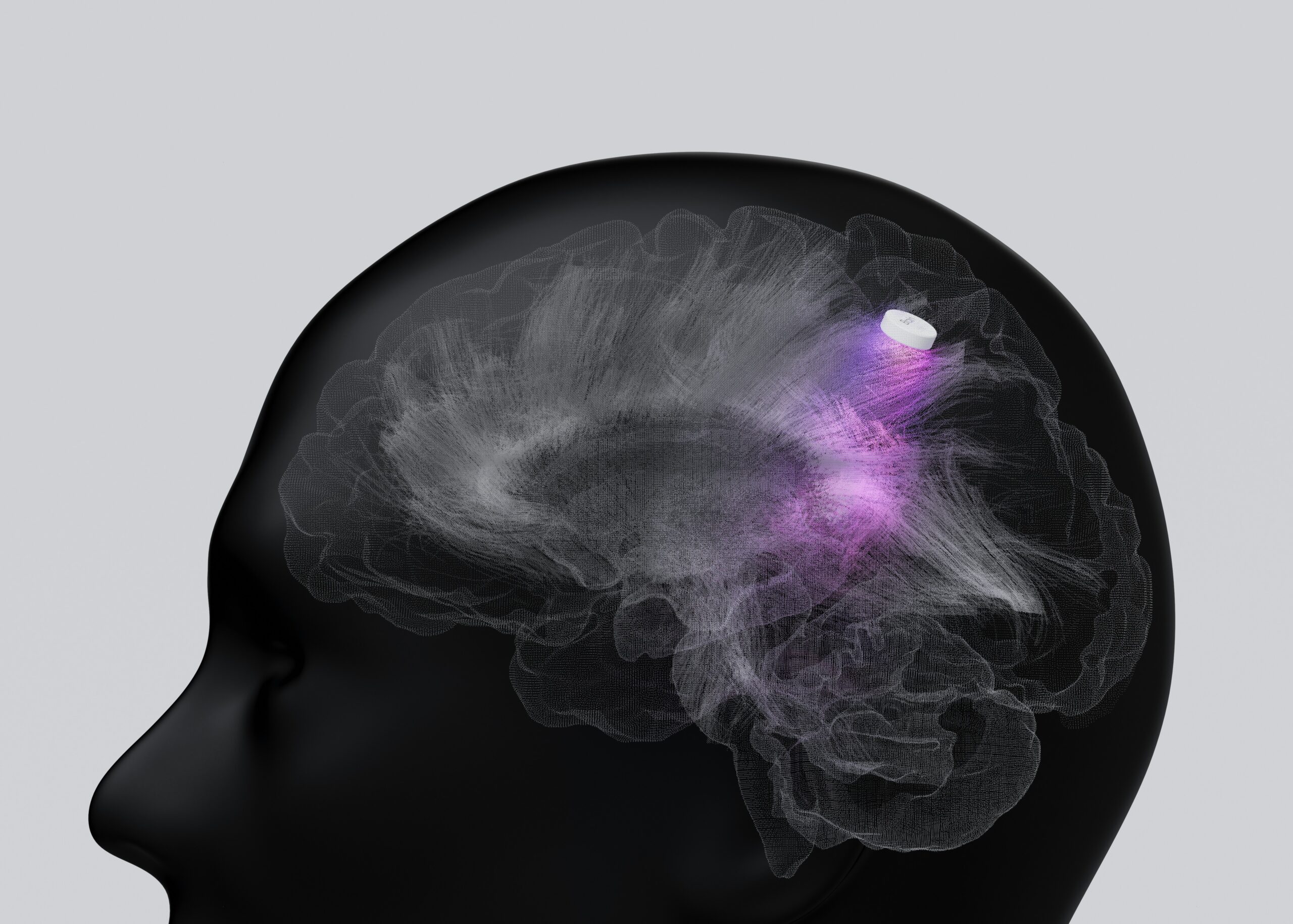
Recent advances in interventional psychiatry are accelerating how clinicians understand rapid-acting antidepressants, and a new ketamine mechanism depression breakthrough is reshaping that landscape. According to emerging findings from, researchers have reverse engineered ketamine’s effects, revealing precise biological pathways that could lead to safer alternatives.
This shift signals more than incremental progress. It represents a transition from trial-and-error prescribing toward mechanism-driven treatment design, a core goal in modern psychiatric innovation.
Why Traditional Antidepressants Still Fall Short
Despite decades of pharmacologic development, conventional antidepressants often require weeks to take effect and fail to help a significant portion of patients. Treatment-resistant depression remains a major clinical challenge, with roughly one-third of individuals cycling through multiple medications without sustained relief.
Ketamine has emerged as a powerful alternative due to its rapid onset. However, its clinical use is limited by dissociation, cardiovascular side effects, and short-lived benefits. These limitations have driven efforts to isolate the underlying biological mechanisms responsible for its therapeutic impact.
Dissecting The Ketamine Mechanism Depression Breakthrough
The new research identifies a critical starting point in the prefrontal cortex, a region central to mood regulation. Scientists discovered that ketamine acts on specific opioid receptors located on inhibitory interneurons. These cells typically suppress neural activity, especially under chronic stress conditions.
By briefly reducing this inhibition for approximately 15 to 20 minutes, ketamine effectively reactivates dormant neural circuits. Researchers describe this as a “cortical reawakening,” a short window that triggers longer-lasting antidepressant effects.
This finding reframes ketamine not as a broad-acting drug, but as a precise modulator of neural braking systems.
Why The Study Design Accelerates Translation
One of the most clinically relevant aspects of this work is its translational design. Instead of relying solely on experimental compounds, researchers tested combinations of existing, FDA-approved drugs that target the same pathways as ketamine.
This triple-drug strategy successfully reproduced antidepressant-like effects in preclinical models. Because these medications already have established safety profiles, clinical trials can proceed more rapidly than traditional drug development pipelines.
This approach aligns with a growing emphasis in interventional psychiatry on repurposing known agents to achieve faster patient impact.
Key Findings Point To A Two-Phase Antidepressant Process
The research outlines a dual-phase mechanism underlying ketamine’s effects. The initial phase involves rapid cortical activation through interneuron modulation.
The second phase depends on longer-term synaptic changes driven by molecular signaling. Central to this process is Brain-Derived Neurotrophic Factor, which promotes neural growth and plasticity.
BDNF activates TrkB receptors and facilitates interaction with mGluR5 receptors, strengthening synaptic connections while preventing their degradation. This dual action helps stabilize mood improvements beyond the initial intervention window.
Interpreting The Biological Significance
These findings suggest that ketamine’s antidepressant effects are not solely due to NMDA receptor antagonism, as previously thought. Instead, they involve coordinated receptor signaling and synaptic remodeling.
The identification of receptor cross-talk between TrkB and mGluR5 provides a more integrated model of how rapid antidepressants sustain their effects. It also highlights how short-term neural activation can trigger long-term structural changes in the brain.
This layered understanding is critical for designing next-generation treatments that are both fast-acting and durable.
What Makes This Ketamine Mechanism Depression Breakthrough Unique
Unlike earlier studies that focused on single pathways, this research integrates cellular, molecular, and systems-level insights. It demonstrates that ketamine’s effects arise from a cascade of interactions rather than a single receptor target.
Equally important, the ability to replicate these effects using lower-dose drug combinations addresses one of ketamine’s biggest clinical drawbacks: tolerability. Reducing dissociation and cardiovascular risks could significantly expand access to rapid-acting therapies.
Clinical Implications For Interventional Psychiatry
For clinicians, these findings point toward a future where treatment is guided by precise circuit-level targeting rather than broad pharmacologic categories.
Combination therapies designed around specific receptor interactions could offer rapid relief without the burden of severe side effects. This approach also supports more personalized treatment strategies, particularly for patients with treatment-resistant depression.
Ongoing clinical trials will determine whether these preclinical findings translate into meaningful patient outcomes. Early indications suggest an accelerated timeline due to the use of already approved compounds.
A Measured Look At What Comes Next
While the ketamine mechanism depression breakthrough represents a major step forward, clinical validation remains essential. Translating complex neural interactions into safe, scalable treatments requires careful study.
Still, the direction is clear. Psychiatry is moving toward mechanistic precision, where understanding how a treatment works is just as important as whether it works.
This evolution may ultimately deliver on the long-standing goal of rapid, reliable, and well-tolerated antidepressant therapies.
Citations
- Abdallah CG, Sanacora G, Duman RS, Krystal JH. Ketamine and rapid-acting antidepressants: a window into a new neurobiology for mood disorder therapeutics. https://pubmed.ncbi.nlm.nih.gov/29945794/
- Zanos P, Gould TD. Mechanisms of ketamine action as an antidepressant https://pubmed.ncbi.nlm.nih.gov/29532791/
Explore more at https://www.interventionalpsychiatry.org/
