
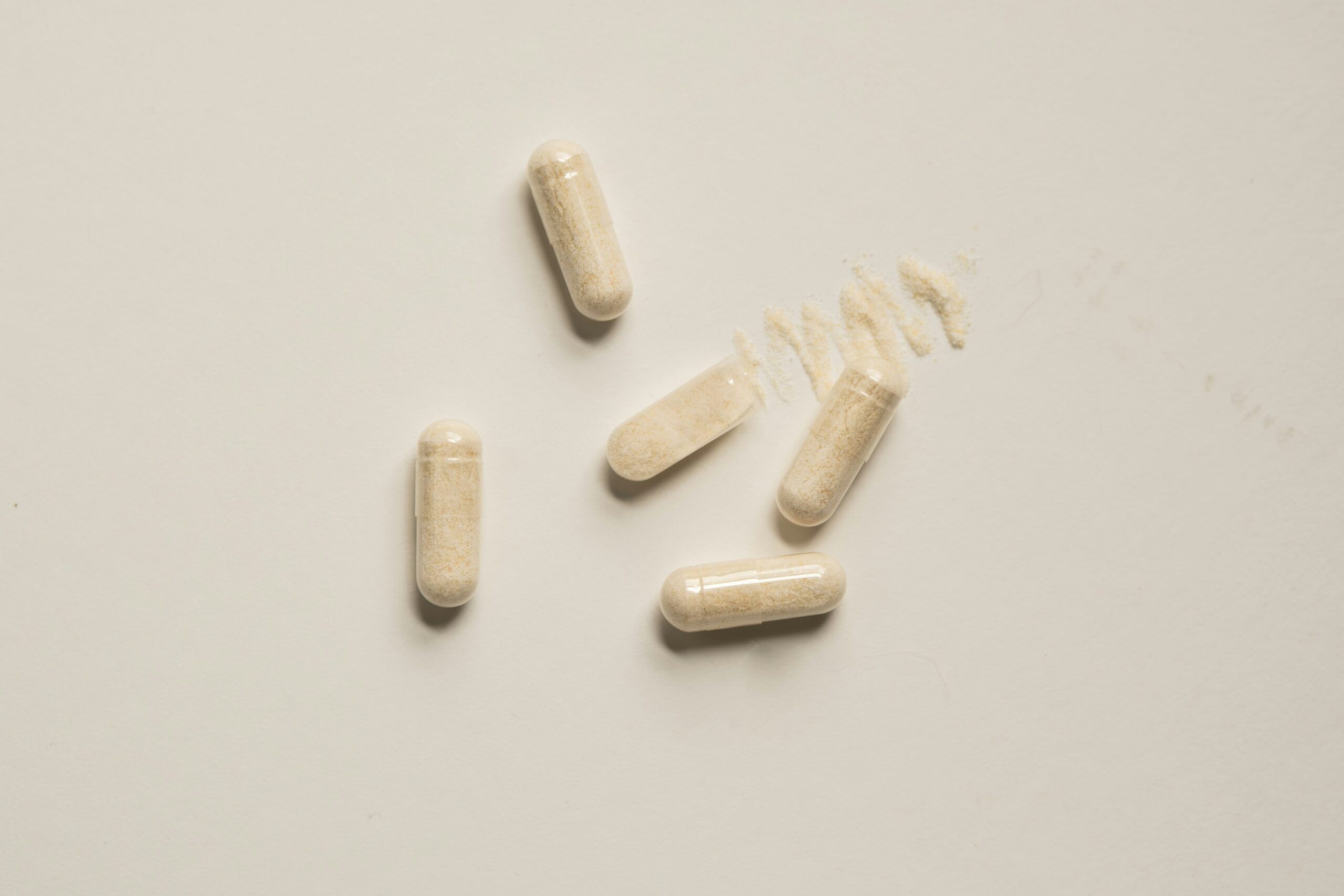
In recent discussions around the future of interventional psychiatry, few developments have generated as much anticipation as the potential for psychedelic therapy FDA approval in the United States. New federal initiatives and regulatory changes are now accelerating timelines, bringing these treatments closer to clinical use than ever before.
A Regulatory Shift Signals A New Era For Psychedelic Therapy FDA Approval
For decades, psychedelic compounds remained on the margins of psychiatric research due to strict regulatory barriers. Now, that landscape is shifting. The U.S. Food and Drug Administration has introduced a priority review pathway designed to fast-track therapies that address unmet mental health needs. This move could significantly shorten approval timelines from years to months for select compounds.
This policy shift reflects growing recognition that current treatments for conditions like treatment-resistant depression and posttraumatic stress disorder often fall short. Despite advances in pharmacology and psychotherapy, many patients continue to experience persistent symptoms, creating demand for innovative approaches.
Leading Compounds Move Closer To Clinical Use
Among the most advanced candidates is a synthetic psilocybin formulation known as COMP360. Developed for treatment-resistant depression, it has demonstrated statistically significant symptom reduction in mid- and late-stage clinical trials. Early results suggest that even a single dose, combined with psychological support, can produce meaningful improvements lasting several weeks.
Other compounds are also gaining traction. A psilocybin therapy developed by a nonprofit research institute is progressing through phase 3 trials for major depressive disorder, while a synthetic MDMA-like compound is being evaluated for PTSD. These therapies are benefiting from accelerated regulatory pathways due to their potential to address conditions with limited treatment options.
Why Trial Design And Oversight Matter In Psychedelic Therapy FDA Approval
Unlike traditional medications, psychedelic therapies require a structured clinical environment. Administration typically occurs under medical supervision, often involving trained therapists who guide patients through the experience. This model introduces complexity into both clinical trials and real-world implementation.
Regulators are expected to require strict safety protocols, including supervised dosing sessions and post-treatment monitoring. These safeguards are essential given the profound psychological effects associated with these compounds. While many patients report therapeutic benefits, some experience intense emotional or physiological responses that must be carefully managed.
Key Findings Highlight Rapid And Durable Effects
Recent clinical data indicate that psychedelic therapies may act faster than conventional antidepressants. In some studies, patients reported symptom relief within days, compared to weeks for standard medications. Moreover, these improvements often persisted well beyond the dosing session, suggesting a different therapeutic mechanism at play.
For PTSD, early trials of MDMA-like compounds have shown rapid reductions in symptom severity, with measurable improvements in clinical scoring systems. These findings are particularly notable given the lack of new PTSD treatments approved in recent decades.
Understanding The Mechanism Behind Psychedelic Effects
The therapeutic effects of psychedelics appear to involve multiple neural pathways. Psilocybin, for example, interacts with serotonin receptors linked to mood regulation and cognitive flexibility. This interaction may temporarily disrupt rigid patterns of thinking, allowing patients to process emotions and experiences in new ways.
At the same time, these compounds may enhance neural plasticity, supporting longer-term changes in brain connectivity. This combination of acute psychological insight and biological adaptation is thought to underlie their clinical potential.
What Makes This Moment Different In Psychiatric Innovation
While psychedelics have been studied for decades, several factors distinguish the current wave of research. Modern trials are more rigorous, with randomized controlled designs and standardized therapeutic protocols. In addition, growing institutional support and clearer regulatory pathways are enabling larger and more definitive studies.
Importantly, there is also increasing collaboration between pharmaceutical developers and clinical networks to prepare for potential rollout. This includes building infrastructure for supervised treatment delivery, which will be critical if approvals are granted.
Clinical Implications And Remaining Questions
If psychedelic therapy FDA approval proceeds as anticipated, the implications for mental health care could be substantial. These treatments may offer new options for patients who have not responded to existing therapies, particularly in severe or treatment-resistant cases.
However, several challenges remain. Questions around cost, insurance coverage, long-term safety, and scalability will need to be addressed. Additionally, identifying which patients are most likely to benefit will be essential for optimizing outcomes.
A Measured Outlook On The Future Of Psychedelic Therapy FDA Approval
The path to widespread adoption will likely be gradual, even if regulatory approval is granted. Psychedelic therapies are not simple prescriptions but complex interventions requiring trained providers and controlled environments.
Still, the momentum is undeniable. With late-stage trials underway and regulatory support increasing, psychedelic therapy FDA approval may soon mark a turning point in psychiatric treatment. The coming years will determine how these therapies are integrated into clinical practice and how they reshape the future of mental health care.
Citations
Smolker HR, et al. The Emotional Word-Emotional Face Stroop task in the ABCD study: Psychometric validation and associations with cognition and psychopathology. Dev Cogn Neurosci. 2022.
Yang SY, et al. Long-term outcomes in early-stage hepatocellular carcinoma: a multicenter propensity score analysis. 2022.
