
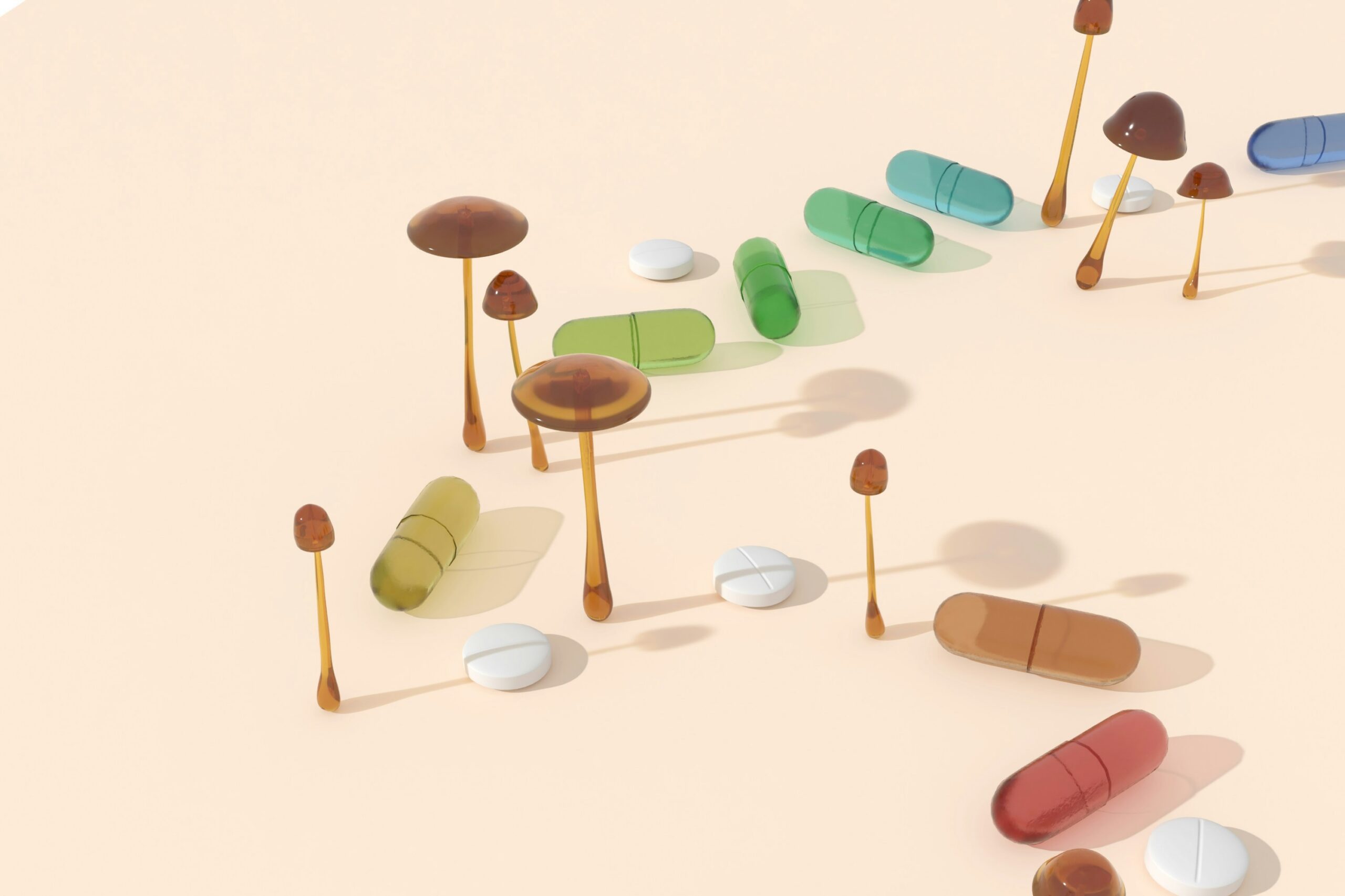
Interest in psychedelic medicine has expanded rapidly over the past several years, particularly for conditions such as depression, anxiety, and post traumatic stress disorder. Now, researchers are beginning to ask whether these therapies could eventually have a role in reproductive mental health. A new survey examining Psychedelic Therapy For PMDD offers one of the first detailed looks at how individuals are already using psychedelics and other substances to manage premenstrual symptoms outside of clinical settings.
The findings do not demonstrate that psychedelics are effective for premenstrual dysphoric disorder (PMDD) or related conditions. Instead, they reveal an emerging pattern of self directed use that may help guide future clinical research.
Why Current PMDD Treatments Leave Important Questions
PMDD is a severe form of premenstrual mood disturbance that can significantly affect emotional wellbeing, relationships, and daily functioning. While selective serotonin reuptake inhibitors and certain hormonal therapies remain standard treatment options, many individuals continue to experience persistent symptoms or struggle with medication side effects.
As public interest in cannabis and psychedelic therapies grows, some patients appear to be exploring these substances on their own in hopes of finding additional relief. Until now, however, researchers have had very little information about how frequently this occurs or whether use changes throughout the menstrual cycle.
How Psychedelic Therapy For PMDD Was Examined
Researchers surveyed 703 adults, with 634 participants reporting at least one menstrual cycle during the previous year. Among them, 167 individuals had a clinically confirmed diagnosis of PMDD based on prospective daily symptom tracking over two menstrual cycles.
Participants reported whether they used alcohol, nicotine, cannabis, psychedelics, stimulants, opioids, benzodiazepines, or other substances to manage premenstrual mood or physical symptoms. The survey also compared use during the follicular phase and the luteal phase, when premenstrual symptoms typically become more pronounced.
Because this was an observational survey, investigators measured patterns of self reported behavior rather than testing any treatment directly.
Patterns Of Substance Use Across The Menstrual Cycle
Cannabis emerged as the most commonly reported substance used for premenstrual mood symptoms. Approximately 30% of all participants reported using cannabis for this purpose, compared with 16.1% who reported alcohol use and 5.9% who reported psychedelic use.
The numbers were substantially higher among participants with PMDD. More than half reported using cannabis to manage mood symptoms, while approximately 16% reported using psychedelics.
Researchers also observed that cannabis and psychedelic use increased during the luteal phase compared with the follicular phase. In addition, more severe premenstrual symptom scores were associated with more frequent cannabis and nicotine use during the luteal phase.
Among participants experiencing perimenopausal symptoms, cannabis was again the substance most commonly used for symptom management.
What The Findings May Tell Researchers
The survey cannot determine whether cannabis or psychedelics improve symptoms. Individuals may increase use because symptoms become more severe, because they believe these substances are helpful, or for entirely different reasons that were not measured.
Nevertheless, the study provides valuable insight into patient behavior. Understanding what people are already trying outside traditional medical care can help researchers design future clinical trials that address real world questions.
The authors note that this is the first published study to specifically examine psychedelic use across different phases of the menstrual cycle, making it an important starting point for reproductive psychiatry research.
Why This Research Stands Apart
Much of today’s psychedelic research focuses on major depressive disorder, treatment resistant depression, anxiety disorders, or trauma related conditions. Very little attention has been given to hormonal fluctuations and reproductive mental health.
By documenting how substance use changes throughout the menstrual cycle, this study introduces an entirely new area of investigation. It also highlights the importance of considering hormonal biology when evaluating future psychedelic therapies.
The work may encourage researchers to examine whether menstrual cycle timing influences treatment response, side effects, or dosing strategies in future clinical trials.
Looking Ahead For Reproductive Mental Health Research
Interest in psychedelic medicine continues to expand, but careful scientific evaluation remains essential before any new therapy becomes part of routine clinical care.
This survey should not be interpreted as evidence supporting psychedelic treatment for PMDD. Instead, it identifies an area where patient behavior is advancing faster than available evidence. As researchers continue exploring reproductive psychiatry, controlled clinical trials will be needed to determine whether psychedelic therapies have a safe or meaningful role in managing premenstrual or perimenopausal symptoms.
For now, the study offers an important reminder that listening to patient experiences can help shape the next generation of interventional psychiatry research.
Citations
Nazareth M, Paone V, Yaden ME, et al. Cannabis, Psychedelics, and Other Substance Use to Manage Premenstrual Symptoms: A Survey Study. Journal of Women’s Health. 2026. https://journals.sagepub.com/doi/10.1177/15409996261459360
Morris PE, Buckner JD. Cannabis Use Across the Menstrual Cycle. Experimental and Clinical Psychopharmacology. 2025. https://pmc.ncbi.nlm.nih.gov/articles/PMC11854502/
