
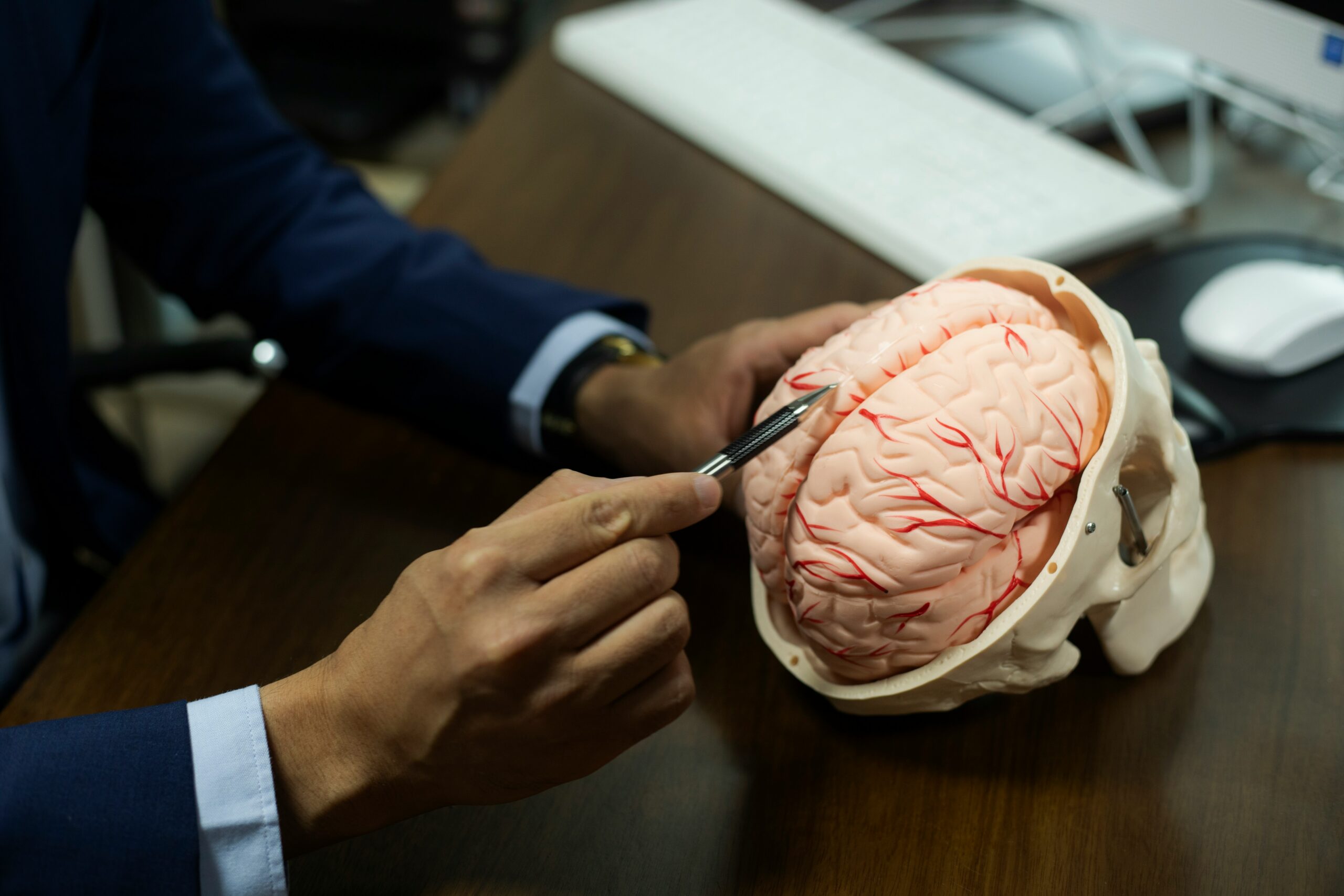
Deep brain stimulation is giving researchers an unusual window into how emotional states emerge from interconnected brain circuits. New interventional psychiatry research examining deep brain stimulation panic networks suggests that the transition into acute panic may be measurable across neural activity, autonomic physiology, and structural connectivity at the same time.
Published in Brain Stimulation, the report describes a panic attack that was unintentionally triggered during high-intensity stimulation in a patient undergoing experimental DBS for treatment-resistant depression. Rather than treating the event only as an adverse effect, investigators used extensive intracranial and physiological recordings to examine what changed as panic emerged.
When Therapeutic Stimulation Reaches Beyond Its Intended Network
DBS delivers electrical stimulation to carefully selected brain regions and connected pathways. In psychiatric research, investigators are exploring whether stimulation can modify dysfunctional networks associated with severe disorders that have not adequately responded to conventional treatments.
The challenge is that stimulation does not necessarily influence one isolated structure. Electrical current can engage surrounding tissue and white matter pathways, potentially recruiting networks involved in emotion, cognition, and autonomic regulation.
Previous reports have shown that stimulation in certain regions can provoke panic-like experiences. The new study adds unusually detailed physiological and electrophysiological measurements to this literature.
Mapping Deep Brain Stimulation Panic Networks In Real Time
Researchers studied a 61-year-old participant with treatment-resistant depression who had DBS electrodes targeting the ventral capsule/ventral striatum and subcallosal cingulate, along with stereo-electroencephalography electrodes positioned to record activity across relevant prefrontal networks.
During supratherapeutic bilateral ventral capsule/ventral striatum stimulation, the participant experienced an acute panic attack.
Because neural recordings, electrocardiography, pupillometry, behavioral observations, and stimulation parameters were synchronized, investigators could compare panic-inducing stimulation with the configuration associated with therapeutic effects.
This design provided a rare opportunity to examine several dimensions of panic simultaneously rather than relying primarily on subjective reports.
The Body Showed A Clear Autonomic Response
The panic-inducing configuration produced marked physiological changes. Average heart rate increased from approximately 87 to 111 beats per minute, while therapeutic stimulation produced substantially less cardiovascular change.
Researchers also observed larger pre-constriction pupil diameter during panic-inducing stimulation. Measures of pupil constriction shifted in a direction previously associated with increased anxiety and worsened psychiatric state.
Behaviorally, the participant displayed increased movement, warmth, sweating, and an anxious feeling of being unwell.
Together, these findings support the interpretation that the stimulation produced a coordinated panic response involving both subjective experience and measurable autonomic activation.
Theta Activity Emerged As A Neural Signal Of Panic
Intracranial recordings revealed another important distinction.
Panic-inducing stimulation uniquely increased theta-frequency power across bilateral dorsolateral prefrontal cortex and anterior cingulate cortex. Alpha activity also increased in portions of these regions, while beta activity decreased in the right anterior cingulate cortex and left orbitofrontal cortex.
Therapeutic stimulation produced a different electrophysiological profile and did not generate the same theta increase.
This distinction is notable because theta oscillations have previously been associated with defensive and anxiety-related behaviors in experimental models. The findings therefore connect human intracranial physiology with a broader literature implicating coordinated prefrontal activity in fear and panic.
Structural Connectivity May Explain Why Panic Emerged
Tractography added another layer to the analysis. The panic-inducing stimulation configuration activated roughly four times as many white matter tracts as therapeutic stimulation, consistent with the greater stimulation energy delivered.
Both configurations engaged pathways connected with the amygdala and insular cortex, regions strongly associated with emotional processing and internal bodily awareness. However, panic-inducing stimulation produced approximately twice the amygdala engagement and roughly three times the insular engagement reported during therapeutic stimulation.
This broader network recruitment may help explain why increasing stimulation intensity transformed the participant’s experience so dramatically.
Earlier DBS research has similarly implicated interconnected limbic, hypothalamic, and brainstem circuitry in stimulation-induced panic, supporting the idea that panic arises from distributed network activity rather than a single brain location.
A Rare Window Into The Biology Of Panic
The study is a single-patient report, so its findings cannot establish a universal biomarker or mechanism of panic. The stimulation that triggered the episode was also supratherapeutic, making it important not to interpret the findings as representative of standard DBS treatment.
Its value instead comes from the density of the measurements. Neural oscillations, anatomical connectivity, cardiovascular activity, pupil responses, behavior, and subjective experience were captured around the same event.
For interventional psychiatry, this type of multimodal mapping could eventually improve understanding of how stimulation parameters recruit therapeutic versus undesirable networks.
More broadly, the findings suggest that carefully observed stimulation-induced experiences can reveal how distributed brain circuits generate complex psychiatric symptoms. Future studies involving additional participants will be necessary to determine whether the theta activity and connectivity patterns identified here generalize across individuals and whether these networks can ultimately inform safer, more precise neuromodulation strategies.
Citations
- Ghazavi A, Alijanpourotaghsara A, Tsolaki E, et al. Anatomic and physiologic correlates of deep brain stimulation-induced panic attack. Brain Stimulation. 2026. DOI: 10.1016/j.brs.2026.103180. ScienceDirect
- Elias GJB, Giacobbe P, Boutet A, et al. Probing the circuitry of panic with deep brain stimulation: Connectomic analysis and review of the literature. Brain Stimulation. 2020;13(1):10-14. DOI: 10.1016/j.brs.2019.09.010. ScienceDirect
Explore more at https://www.interventionalpsychiatry.org/
