
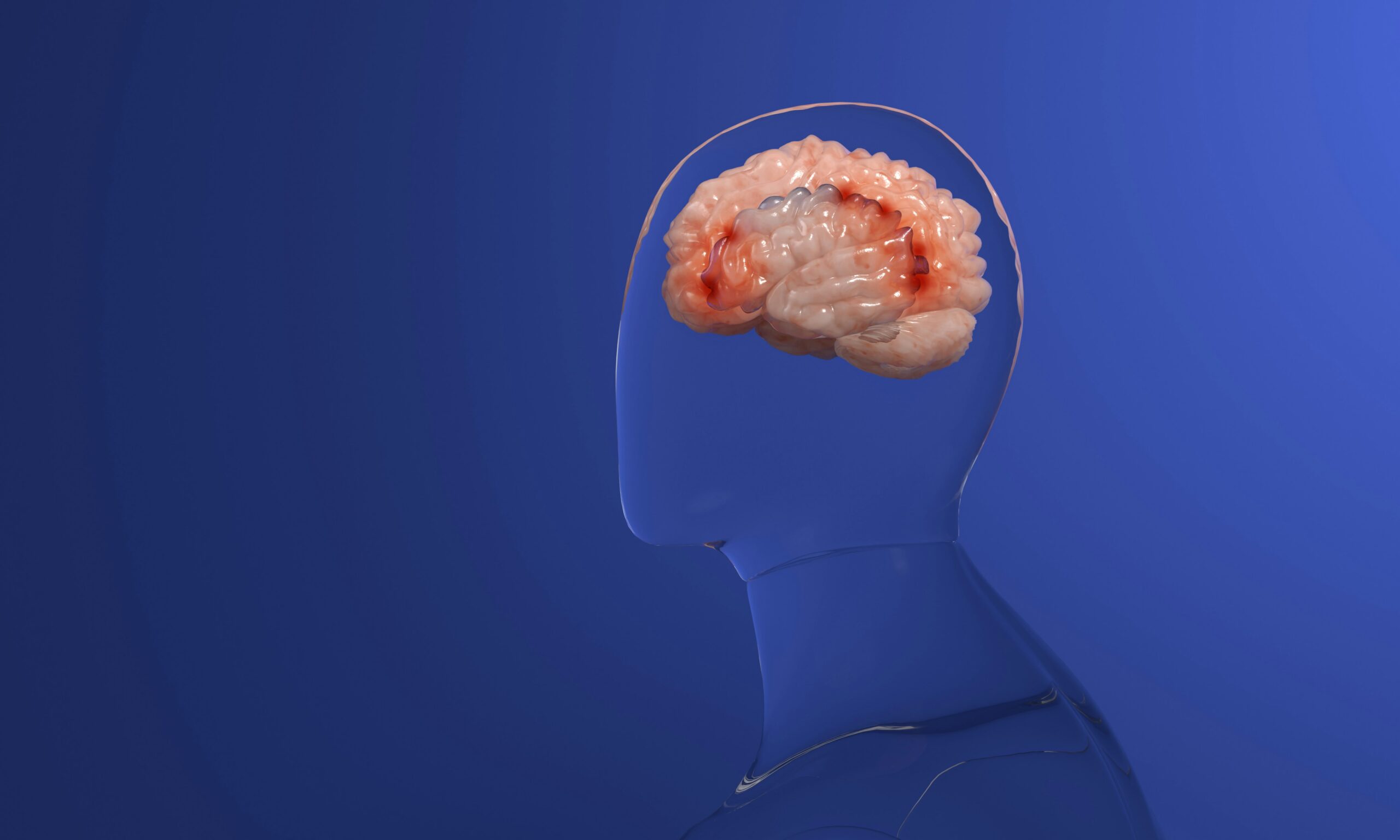
Emerging neuromodulation research is providing new insights into how targeted brain stimulation may influence the neural systems involved in anxiety and emotional regulation. A new study examining focused ultrasound neuromodulation provides fresh evidence that specific brain targets may selectively improve physiological adaptation processes associated with anxiety.
Why Anxiety Adaptation Remains An Important Challenge
Anxiety disorders are often characterized by persistent vigilance, heightened threat monitoring, and difficulty adapting to repeated sensory experiences. While many individuals naturally become less reactive to repeated harmless stimuli, this habituation process may be diminished in people with elevated anxiety traits.
Researchers have increasingly focused on understanding how the brain’s salience network contributes to these responses. Key structures within this network help determine which environmental signals deserve attention and which can safely be ignored. Disruptions in these systems may contribute to prolonged autonomic arousal and anxiety symptoms.
Current treatment approaches, including psychotherapy and pharmacologic interventions, can be effective for many patients. However, investigators continue searching for more precise methods of targeting neural circuits directly involved in anxiety regulation.
Exploring Focused Ultrasound Neuromodulation In Humans
The new study evaluated low-intensity focused ultrasound, or LIFU, a noninvasive neuromodulation technology capable of influencing deep brain structures without surgery.
Researchers recruited 40 healthy adults who participated in three separate sessions. During each session, participants received ultrasound stimulation targeting either the right anterior insula, the anterior midcingulate cortex, or a sham control condition.
These brain regions were selected because of their established roles in threat detection, emotional regulation, and bodily awareness. Throughout testing, investigators measured muscle activity using electromyography, brain responses using electroencephalography, and autonomic activity through electrodermal responses.
The experimental design allowed researchers to compare how repeated acoustic startle responses changed before and after stimulation.
Focused Ultrasound Neuromodulation Reveals Selective Effects
Several notable findings emerged from the study.
First, individuals with higher trait anxiety demonstrated weaker habituation of muscle-based startle responses. This observation suggests that people with elevated anxiety tendencies may have greater difficulty adapting to repetitive sensory information.
Second, researchers observed expected decreases in response magnitude over repeated startle trials across multiple measurement systems. Early adaptation occurred more rapidly than later adaptation, reflecting a normal reduction in responsiveness over time.
Most importantly, focused ultrasound neuromodulation produced measurable changes in autonomic function. Participants who received stimulation targeting either salience network hub showed enhanced early-phase electrodermal habituation compared with sham stimulation.
Interestingly, ultrasound did not significantly alter muscle-based or EEG-based habituation measures.
Understanding The Biological Mechanism
The findings point toward an important distinction between different components of the anxiety response.
Muscle activity and cortical responses appeared to operate in a coordinated manner. The study found meaningful correlations between EMG and EEG habituation, suggesting shared underlying neural processes.
Autonomic responses, however, behaved differently. Electrodermal adaptation varied independently from the cortical and muscular measures, indicating that autonomic regulation may represent a partially separate physiological pathway.
By stimulating the anterior insula and anterior midcingulate cortex, researchers may have temporarily influenced neural systems responsible for bodily regulation and threat monitoring. The resulting improvement in autonomic habituation suggests these regions play a direct role in helping the body adapt to repeated nonthreatening stimuli.
What Makes This Study Distinct
Many neuromodulation studies focus on symptom reduction as a primary outcome. This investigation instead examined a mechanistic biomarker associated with anxiety vulnerability.
The use of multiple physiological measurement techniques also provided a more comprehensive view of how different systems respond to neuromodulation. By simultaneously evaluating brain activity, muscle responses, and autonomic function, researchers were able to identify selective effects that may have been missed using a single measurement approach.
This level of physiological detail helps clarify how focused ultrasound may interact with specific neural networks.
Implications For The Future Of Mental Health Treatment
Although the study involved healthy participants rather than clinical populations, the results provide an important foundation for future research.
The findings suggest that focused ultrasound neuromodulation may be capable of modifying autonomic processes linked to anxiety without requiring invasive procedures. Future trials will need to determine whether these physiological changes translate into meaningful symptom improvements among patients with anxiety disorders or related conditions.
As emerging neuromodulation technologies continue to evolve, the ability to selectively target deep brain networks could open new opportunities for personalized psychiatric interventions. While additional research remains necessary, this study highlights the growing potential of ultrasound-based approaches within the future landscape of interventional psychiatry.
Citations
Legon J, Ni Y, Legon W. Focused Ultrasound Neuromodulation of Salience Network Hubs Selectively Enhances Anxiety-Relevant Autonomic Habituation in Humans. Biological Psychiatry: Global Open Science. 2026. PMID: 42281605. https://pubmed.ncbi.nlm.nih.gov/42281605/
Cox SS, Connolly DJ, Peng X, Badran BW. A Comprehensive Review of Low-Intensity Focused Ultrasound Parameters and Applications in Neurologic and Psychiatric Disorders. Neuromodulation. 2025;28(1):1-15. PMID: 39230530. PMCID: PMC11700779. DOI: 10.1016/j.neurom.2024.07.008. https://pubmed.ncbi.nlm.nih.gov/39230530/
Explore more at https://www.interventionalpsychiatry.org/
