
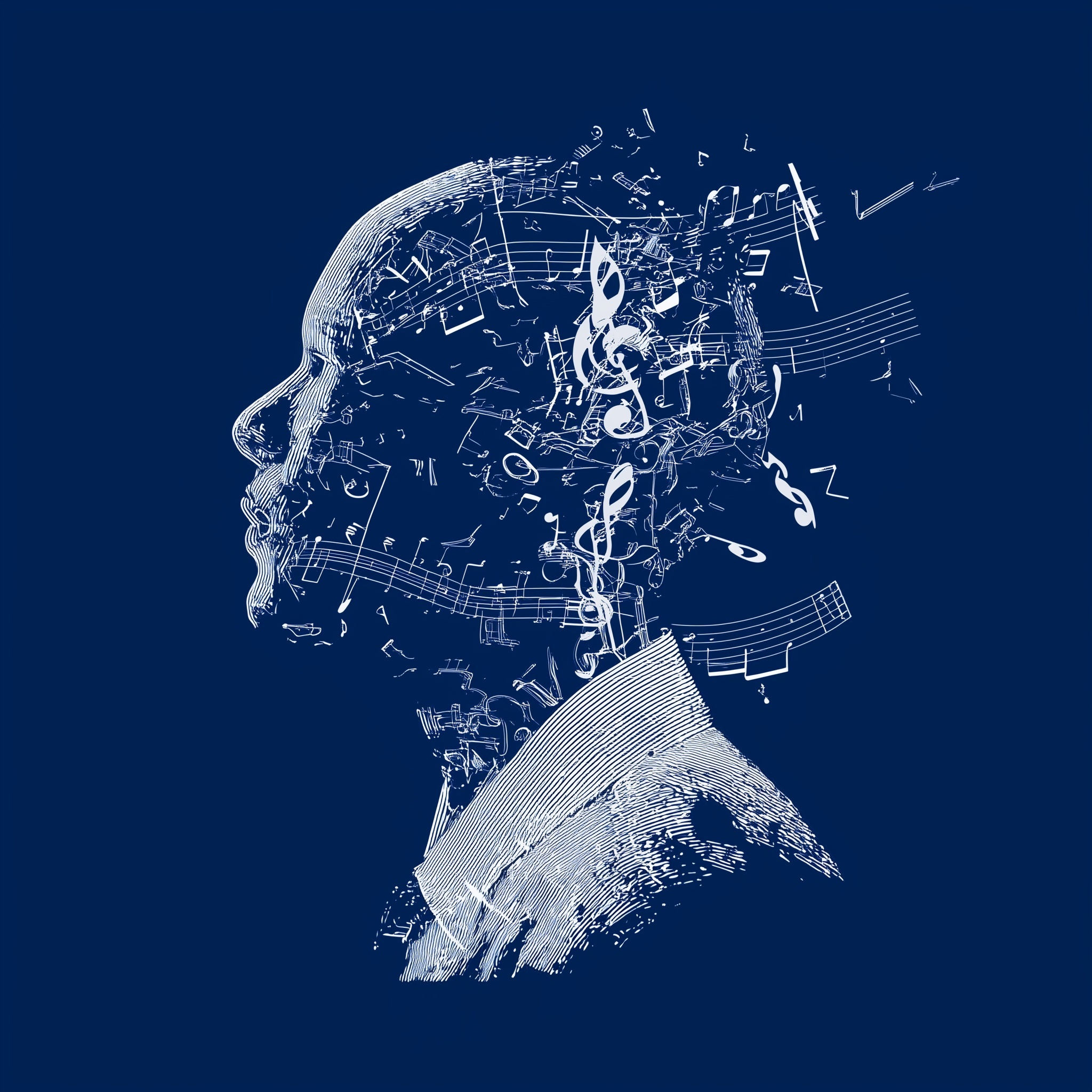
The field of interventional psychiatry is expanding beyond traditional pharmacologic and neuromodulation approaches, and recent interdisciplinary work highlights how music therapy for youth mental health could become a meaningful complementary strategy. A recent review on the neuroesthetics of music, available through research on the future of interventional psychiatry, explores how musical experiences interact with brain systems involved in emotion, reward, and social connection.
Youth mental health concerns have risen globally, particularly during adolescence and early adulthood. These stages involve rapid brain development, increased emotional sensitivity, and the formation of identity. Researchers suggest that therapeutic approaches grounded in neurobiology and cultural experience, such as structured music engagement, may offer new ways to support wellbeing during this critical developmental window.
Why Traditional Youth Mental Health Interventions Face Limitations
Standard youth mental health care typically relies on psychotherapy, medication, and school or community support programs. While these approaches remain essential, barriers such as stigma, access to care, and cultural differences can limit their reach.
Adolescents may also struggle to engage with treatments that feel overly clinical or disconnected from their everyday experiences. This challenge has led researchers to explore interventions that integrate emotional expression, creativity, and social interaction. Music therapy represents one such approach that can be implemented in schools, community settings, and clinical programs.
Importantly, music is a universal cultural experience. Because it already plays a central role in identity formation and social bonding among young people, it may provide a therapeutic pathway that feels more natural and accessible than traditional treatments alone.
How Music Therapy For Youth Mental Health Works In The Brain
Research into the neuroesthetics of music examines how artistic experiences influence brain function. Studies show that music activates interconnected neural systems associated with emotional regulation, motivation, and sensory processing.
These systems include the limbic network, which processes emotional experiences, and the prefrontal cortex, which supports decision making and emotional control. Music also engages motor regions and autonomic pathways that influence physiological responses such as heart rate and stress regulation.
Neuroimaging research has demonstrated that listening to music can trigger dopamine release within reward pathways, particularly in regions such as the striatum. This neurochemical response helps explain why music can evoke powerful emotional reactions and feelings of pleasure or relief. These responses may contribute to reductions in anxiety and depressive symptoms when music is incorporated into therapeutic settings.
Evidence From Interdisciplinary Research
The recent review synthesizes studies from neuroscience, psychology, music therapy, and cultural research published over the past decade. Together, these studies suggest that both passive music listening and active participation in musical activities can produce measurable psychological benefits.
Rhythm-based interventions, group music making, and movement integrated with music have been associated with improved attention, emotional resilience, and social connection. Adolescents participating in structured musical activities often report reduced stress and stronger interpersonal bonds.
Researchers also emphasize that cultural context plays a significant role in therapeutic outcomes. Interventions rooted in culturally meaningful musical traditions appear to enhance engagement and emotional impact. For example, culturally embedded frameworks such as traditional rhythmic practices or community-based musical participation may strengthen feelings of belonging and identity.
Advances In Measuring Music’s Therapeutic Effects
Recent technological developments are improving how researchers evaluate music-based interventions. Multimodal neuroimaging techniques now allow investigators to observe how musical experiences influence brain networks in real time.
Psychophysiological measurements such as heart rate variability, electroencephalography, and stress hormone monitoring are also being used to track emotional regulation during music therapy sessions. In addition, emerging digital tools are enabling adaptive sound systems that personalize music experiences based on individual physiological responses.
These advances could eventually support precision approaches to music-based mental health interventions, similar to the personalized treatment strategies emerging across interventional psychiatry.
What Makes Neuroesthetic Music Therapy Different
Unlike many conventional therapies, neuroesthetic approaches emphasize the sensory and emotional impact of aesthetic experiences. Music does not simply function as entertainment in these models. Instead, it becomes a structured therapeutic stimulus capable of influencing neural circuits related to reward, emotion, and social bonding.
This perspective positions music therapy as a bridge between neuroscience and cultural practice. It combines biological mechanisms with creative engagement, allowing interventions to be both scientifically grounded and culturally adaptable.
Because music interventions can often be delivered in group or community settings, they may also represent a relatively low-cost and scalable mental health strategy.
Implications For The Future Of Youth Mental Health Care
As youth mental health challenges continue to rise worldwide, researchers are increasingly exploring integrative approaches that combine biological insights with accessible therapeutic tools.
Music therapy for youth mental health is unlikely to replace established treatments such as psychotherapy or medication. However, it may serve as a valuable complement that enhances emotional regulation, social cohesion, and resilience during critical developmental stages.
Future studies will be needed to evaluate standardized protocols, long-term outcomes, and integration with digital health platforms. If validated through clinical trials, music-based neuroesthetic interventions could become part of broader prevention and early-intervention strategies in youth mental health systems.
Citations
Pradeep K, Nishanth A, Lalmohan P, Alexander LM, Rajalakshmi SA. The neuroesthetics of music as an alternative therapeutic model for enhancing youth mental wellbeing. Frontiers in Human Neuroscience Architecture. 2025. https://doi.org/10.3389/frcha.2025.1721717
Chanda ML, Levitin DJ. The neurochemistry of music. Trends in Cognitive Sciences. 2013. https://doi.org/10.1016/j.tics.2013.02.007
Explore more at https://www.interventionalpsychiatry.org/