
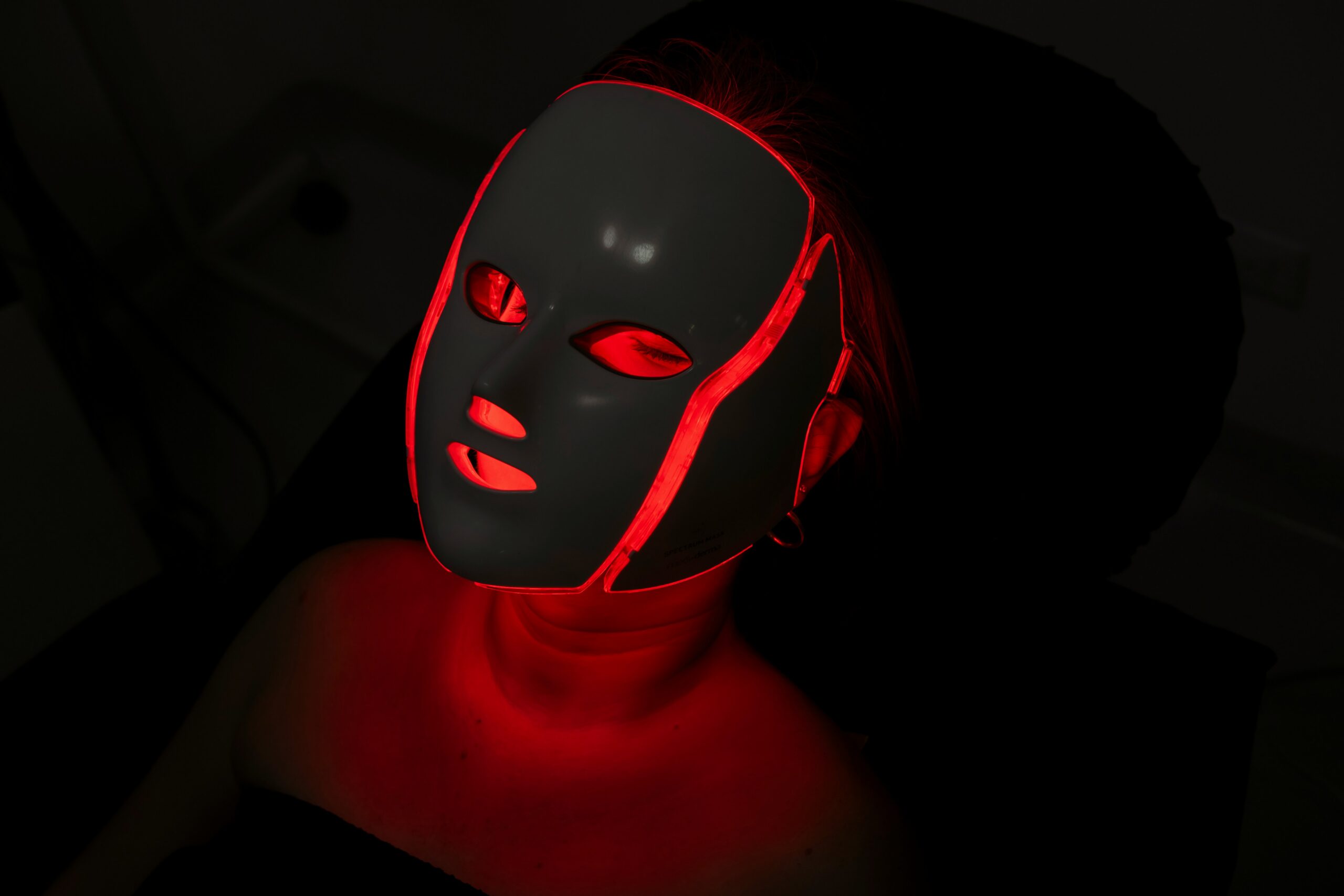
As interest in Light Therapy for Bipolar Depression continues to grow, researchers are uncovering new evidence about how chronotherapy may influence the brain itself. Recent findings published in the Journal of Affective Disorders suggest that combining total sleep deprivation with morning light therapy can produce measurable changes in brain activity that accompany rapid improvements in depressive symptoms. This research adds to the growing body of interventional psychiatry research focused on developing faster and more targeted treatments for mood disorders.
Bipolar depression remains one of the most difficult phases of bipolar disorder to treat. Many patients experience persistent symptoms despite medication, and therapeutic improvements often take weeks to emerge. Rapid acting interventions that can relieve symptoms within days have therefore become an important area of investigation.
Current Challenges In Treating Bipolar Depression
Although medications remain the foundation of bipolar disorder treatment, depressive episodes frequently respond incompletely or slowly. Researchers have long recognized that bipolar depression is associated with abnormalities in brain function, particularly in regions involved in emotion regulation, cognition, and executive functioning.
Previous neuroimaging studies have demonstrated reduced spontaneous brain activity and altered blood flow in several cortical networks. These findings suggest that successful treatment may require restoring both neural communication and the brain’s ability to regulate blood supply efficiently.
How Light Therapy For Bipolar Depression Was Studied
Investigators at San Raffaele Hospital conducted a longitudinal resting-state functional MRI study involving 50 hospitalized adults experiencing bipolar depression and 30 healthy control participants. Patients underwent three cycles of combined total sleep deprivation and morning light therapy over one week while receiving brain imaging before treatment and again on day seven.
The research team evaluated two complementary imaging measures. Fractional amplitude of low frequency fluctuations, known as fALFF, measured spontaneous neural activity throughout the brain. They also examined the hemodynamic response function, or HRF, which reflects how blood flow responds to neural activity and serves as an indirect marker of neurovascular coupling.
This dual approach allowed investigators to examine whether chronotherapy affects both neuronal function and the vascular processes that support healthy brain activity.
Brain Activity Improved Following Chronotherapy
Before treatment, participants with bipolar depression demonstrated lower fALFF values across multiple frontal, temporal, insular, and cerebellar regions compared with healthy controls. These abnormalities are consistent with previous studies showing disrupted resting-state brain activity during depressive episodes.
After completing the chronotherapy protocol, widespread increases in fALFF were observed across occipital, temporal, frontal, and cerebellar brain regions. Many of the baseline abnormalities became less pronounced, suggesting partial normalization of intrinsic brain activity.
Importantly, patients who achieved remission showed stronger fALFF changes than those who continued experiencing depressive symptoms. These findings indicate that improvements in spontaneous brain activity may reflect meaningful clinical recovery rather than simply representing imaging changes.
Neurovascular Coupling May Provide Additional Clues
The investigators also identified significant increases in HRF response height following treatment. Unlike fALFF, baseline HRF values were not significantly different from healthy participants. However, changes after therapy appeared to predict short term clinical stability.
Patients with larger HRF improvements were less likely to require medication changes or treatment augmentation during hospitalization. This suggests that neurovascular coupling may capture different aspects of recovery than measures of neural activity alone.
Together, these findings support the concept that effective antidepressant treatments influence both neuronal signaling and the vascular systems that supply energy to active brain networks.
Why This Research Stands Out
One of the study’s most notable strengths is its simultaneous evaluation of neural activity and neurovascular function using resting-state MRI. Previous chronotherapy studies have typically focused on symptom improvement or isolated imaging markers.
By examining both fALFF and HRF together, investigators demonstrated that these measures provide complementary information about treatment response. The findings also represent one of the first efforts to explore how rapid chronotherapy influences neurovascular coupling in bipolar depression.
Although larger studies are needed to validate these observations, the results provide valuable insight into the biological mechanisms underlying rapid antidepressant responses.
What These Findings Could Mean For Future Care
Chronotherapy combining total sleep deprivation and light therapy is already recognized for its ability to produce rapid antidepressant effects in selected patients with bipolar depression. This study adds important biological evidence showing that clinical improvement coincides with measurable changes in brain function and neurovascular health.
As interventional psychiatry continues moving toward precision medicine, objective imaging biomarkers such as fALFF and HRF may eventually help clinicians identify which patients are most likely to benefit from rapid acting interventions and monitor treatment effectiveness more accurately.
While additional research is necessary before these imaging techniques become part of routine clinical practice, this work provides another step toward understanding how innovative chronotherapeutic strategies may reshape brain function and improve outcomes for individuals living with bipolar depression.
Citations
- Verga C, Paolini M, Bravi B, et al. Effects of Total Sleep Deprivation and Light Therapy on Resting-State Activity and Neurovascular Coupling in Bipolar Depression. Journal of Affective Disorders. 2026. https://doi.org/10.1016/j.jad.2026.122226
- Wirz-Justice A, Benedetti F, Terman M. Chronotherapeutics for Affective Disorders: A Clinician’s Manual for Light and Wake Therapy. Karger Publishers. https://karger.com/books/book/255/Chronotherapeutics-for-Affective-Disorders
Explore more at https://www.interventionalpsychiatry.org/
