
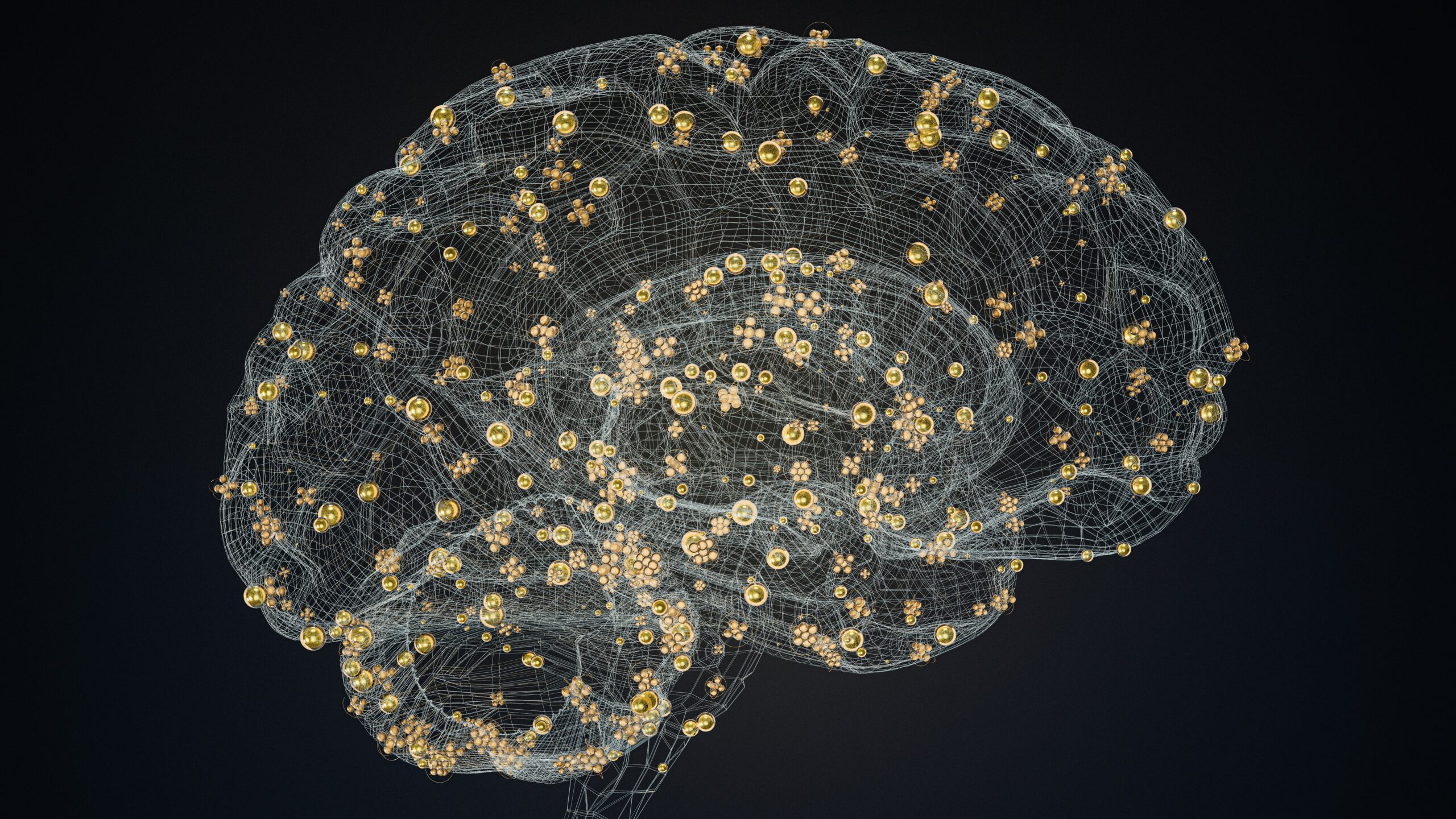
Recent advances in interventional psychiatry are reshaping how clinicians understand brain stimulation at the network level. A new study introduces EEG-guided TMS optimization as a promising framework for improving how neuromodulation therapies are delivered in aging populations.
Transcranial magnetic stimulation has already established itself as a noninvasive tool for treating depression and other psychiatric conditions. However, its application in neurodegenerative conditions such as mild cognitive impairment has remained limited by a critical gap. Clinicians have lacked precise, real-time insight into how stimulation affects whole-brain networks.
Limitations Of Conventional TMS Monitoring Approaches
Traditional TMS protocols often rely on anatomical targeting and standardized stimulation parameters. While these methods can produce clinical benefits, they do not account for dynamic changes in brain network activity.
Electroencephalography has been used to monitor brain activity, but standard EEG lacks the spatial resolution needed to map deeper or distributed neural networks. This creates a disconnect between where stimulation is applied and how the brain responds at a systems level.
Without detailed network-level feedback, optimizing stimulation parameters becomes largely trial-and-error, limiting the potential for precision medicine in neuromodulation.
Introducing EEG-Guided TMS Optimization Through SPECTRE Modeling
The study introduces a novel computational approach known as SPECTRE, which reconstructs whole-brain electrical networks using standard EEG data. This method integrates spatial and temporal resolution, enabling researchers to visualize how brain networks respond to stimulation in real time.
This represents a key advancement in EEG-guided TMS optimization. Instead of focusing on isolated brain regions, clinicians can begin to understand how stimulation influences distributed networks associated with cognition and memory.
In this pilot study, researchers applied intermittent theta-burst stimulation to older adults, including both cognitively normal individuals and those with mild cognitive impairment.
Why This Study Design Advances Neuromodulation Research
The use of a sham-controlled design strengthens the validity of the findings by isolating the effects of active stimulation. Additionally, the inclusion of both healthy aging participants and those with cognitive impairment allows for comparative analysis across different stages of brain health.
By combining advanced EEG modeling with controlled neuromodulation, the study moves beyond surface-level observations and toward mechanistic understanding.
Key Findings From EEG-Guided TMS Optimization Research
The study identified consistent changes in theta-band brain electrical networks following active stimulation. These changes were not observed in the sham condition, suggesting a direct effect of TMS on network dynamics.
Theta-band activity is closely associated with memory processing and cognitive control. The ability to modulate this frequency band indicates that TMS may influence core neural systems involved in cognitive decline.
Importantly, the findings suggest that stimulation effects extend beyond superficial cortical regions, potentially reaching deeper network structures.
Interpreting Network-Level Changes In Cognitive Aging
The observed theta-band modulation may reflect the activation of compensatory networks in individuals with mild cognitive impairment. In other words, TMS may help recruit alternative neural pathways when primary systems begin to deteriorate.
This interpretation aligns with emerging models of cognitive aging, which emphasize network flexibility as a key factor in maintaining function. EEG-guided TMS optimization could therefore provide a way to enhance this adaptability.
How EEG-Guided TMS Optimization Works Mechanistically
At a mechanistic level, intermittent theta-burst stimulation is designed to mimic natural brain rhythms. By delivering stimulation at frequencies aligned with endogenous neural activity, TMS may reinforce synaptic plasticity within targeted networks.
The SPECTRE method enhances this process by identifying which networks are being engaged and how their activity evolves over time. This creates a feedback loop where stimulation parameters can be adjusted based on real-time network responses.
What Sets This Study Apart In Neuromodulation Innovation
Unlike previous approaches that rely on static imaging or limited EEG analysis, this study demonstrates the feasibility of reconstructing full brain electrical networks using accessible data.
This is a significant step toward scalable, clinically applicable tools for personalized neuromodulation. The ability to integrate EEG-guided TMS optimization into routine practice could transform how treatments are tailored to individual patients.
Clinical Implications For TMS In Cognitive Disorders
If validated in larger trials, this approach could improve treatment precision for conditions such as mild cognitive impairment and early-stage dementia. Clinicians may be able to identify which patients are most likely to respond and adjust stimulation parameters accordingly.
This could also reduce variability in treatment outcomes and support the development of standardized protocols informed by network-level data.
Looking Ahead At The Future Of EEG-Guided TMS Optimization
While the findings are preliminary, they provide a strong foundation for future research. Larger studies will be needed to confirm these results and determine how they translate into clinical outcomes.
The integration of advanced EEG modeling with neuromodulation represents a shift toward data-driven, personalized psychiatry. EEG-guided TMS optimization may ultimately redefine how clinicians approach brain stimulation in both psychiatric and neurodegenerative disorders.
Citations
- Frank LR, Galinsky VL, Zhang H, et al. Spatially resolved EEG reveals theta-band network modulation following iTBS in aging and mild cognitive impairment. Front Hum Neurosci. 2026. Available at: https://pubmed.ncbi.nlm.nih.gov/41971354/
- Lefaucheur JP, Aleman A, Baeken C, et al. Evidence-based guidelines on the therapeutic use of repetitive transcranial magnetic stimulation. Clin Neurophysiol. 2020. Available at: https://pubmed.ncbi.nlm.nih.gov/31924532/
Explore more at https://www.interventionalpsychiatry.org/
