
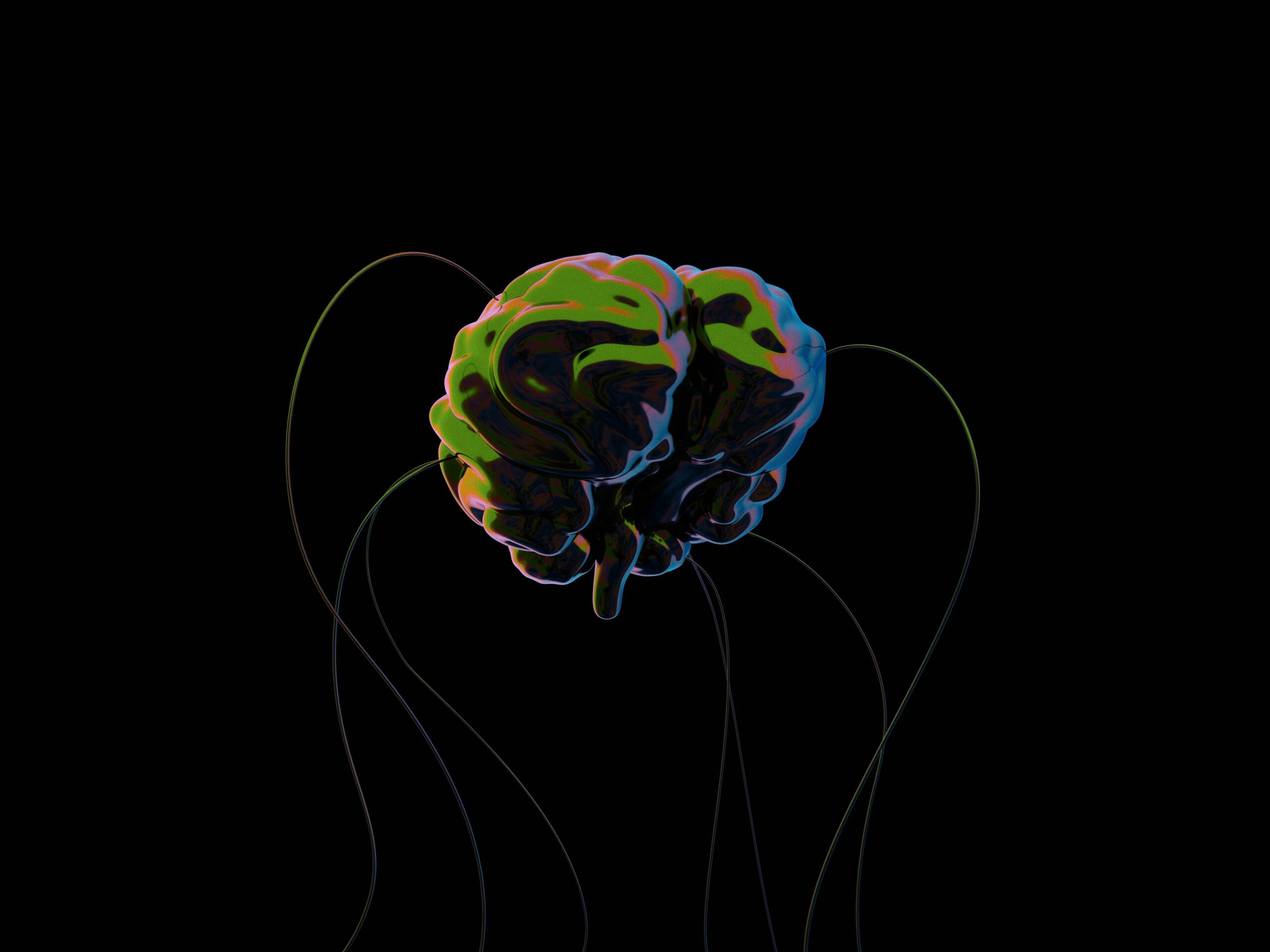
Why Live Music Brain Synchronization Is Capturing Scientific Attention
Recent advances in interventional psychiatry research suggest that the way we experience sound may fundamentally shape brain function. A new study demonstrates that live music brain synchronization is significantly stronger than what occurs during recorded playback, even when the acoustic signal is nearly identical. This finding begins to clarify why live performances often feel more emotionally powerful and immersive.
Researchers are increasingly exploring how these differences in neural processing could translate into clinical applications, particularly in fields like neurofeedback and cognitive rehabilitation.
Where Current Audio-Based Interventions Fall Short
Traditional music-based therapies and digital audio interventions rely heavily on recorded sound. While effective in some contexts, these approaches assume that sound quality alone drives neural and emotional responses.
However, this study challenges that assumption. Even when sound levels, timing, and environmental conditions were tightly controlled, participants consistently reported higher pleasure and engagement during live performances. This suggests that current therapeutic models may be missing a critical component: the contextual and dynamic nature of live stimuli.
Introducing A Neural Perspective On Live Music Brain Synchronization
To isolate this effect, researchers used electroencephalography, or EEG, to measure brain activity in real time. Participants listened to both live and recorded violin performances while their neural responses were tracked.
The key metric was cerebro acoustic phase locking, which reflects how closely brain wave rhythms align with external auditory patterns. Stronger alignment indicates deeper neural entrainment, a process linked to attention, emotional processing, and motor coordination.
Why Study Design Matters For Neural Validity
Unlike traditional laboratory experiments, this study was conducted in a real concert hall environment while controlling for visual and acoustic variables. Participants listened with their eyes closed, removing visual cues and focusing purely on auditory processing.
This ecologically valid design strengthens the argument that the observed differences are not due to external distractions, but rather intrinsic properties of live performance itself.
Key Findings On Brain And Emotional Response
The results were clear. Live performances produced approximately 31 percent stronger phase locking compared to recorded versions, particularly in the theta frequency band. This frequency range is associated with attention, memory encoding, and emotional processing.
Importantly, the degree of neural synchronization directly predicted subjective experience. Participants who showed stronger brain entrainment also reported higher levels of pleasure and engagement.
Interpreting The Link Between Brain Waves And Experience
This brain behavior relationship is central to understanding why live music feels different. Neural entrainment appears to act as a bridge between sensory input and emotional output.
When brain rhythms align more precisely with external stimuli, the experience becomes more immersive and rewarding. In contrast, weaker synchronization may result in a more passive or detached experience.
The Mechanism Behind Enhanced Neural Coupling
One possible explanation is that live performances introduce subtle temporal variations and micro fluctuations that are absent in recordings. These variations may provide richer sensory input, allowing the brain to engage more dynamically with the stimulus.
Additionally, the presence of a live performer may activate predictive coding mechanisms, where the brain anticipates and adapts to incoming signals in real time.
What Makes This Study Stand Out
A defining strength of this research is its ability to isolate the “liveness” factor. By controlling for sound quality and removing visual input, the study demonstrates that the mere context of a live performance alters neural processing.
This moves the conversation beyond subjective preference and into measurable neurophysiology.
Clinical Implications For Neurofeedback And Psychiatry
The implications for interventional psychiatry are significant. If live music brain synchronization enhances neural engagement, it could inform the design of more effective therapeutic interventions.
For example, neurofeedback protocols could incorporate real time or interactive auditory stimuli rather than static recordings. Similarly, music based therapies for depression, attention disorders, or neurodegenerative conditions may benefit from integrating live or adaptive elements.
This aligns with broader trends in personalized and experiential medicine, where treatment is tailored not only to the patient but also to the context of delivery.
Looking Ahead To The Future Of Brain Based Interventions
While the findings are promising, further research is needed to determine how these effects translate to diverse populations and clinical settings. The current study focused on musically trained individuals, which may limit generalizability.
Nevertheless, the evidence points toward a compelling direction. Live, dynamic, and context rich stimuli may play a larger role in future psychiatric treatments than previously recognized.
As the field evolves, integrating neuroscience with real world experiences could redefine how clinicians approach mental health care.
Citations
- Main study on live vs recorded music and neural entrainment: PubMed link
https://pubmed.ncbi.nlm.nih.gov/41857791/ - Supporting open-access review on rhythmic entrainment and music-based therapy: PMC link https://pmc.ncbi.nlm.nih.gov/articles/PMC4344110/
Closing Internal Link Line
Explore more at https://www.interventionalpsychiatry.org/
